Sales: +971 55 541 5892 | sales@bravosatcom.com

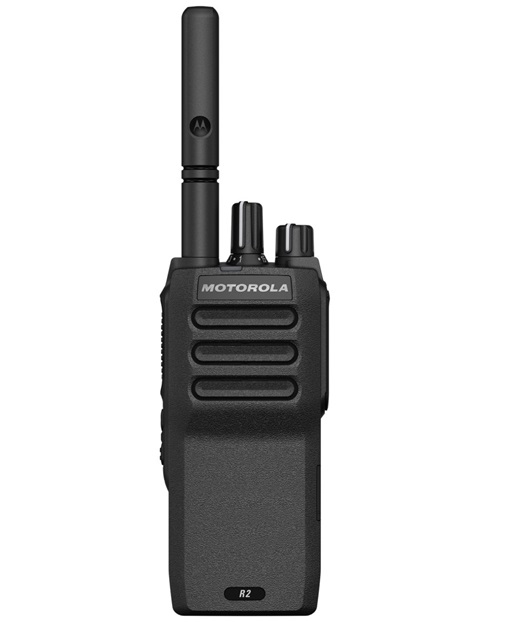
راديو Motorolla R2 ثنائي الاتجاه
- UHF, VHF
• 64 channels
• Single-site conventional
• Extended Range Direct Mode
• Dual Capacity Direct Mode
• Transmit Interrupt
• Dual priority scan
• Quick Call II / MDC1200 capable
| General Specifications | Value |
|---|---|
| Frequency | 400-480 MHz, 136-174 MHz |
| Typical RF Output | High Power: 4W, Low Power: 1W |
| Channel Spacing | 12.5 kHz (analog) / 25.01 kHz (digital) |
| Channel Capacity | 64 |
| Dimensions (H x W x D) with Battery | PMNN4598 High Capacity Battery: 4.9 x 2.2 x 1.5 in. PMNN4600 Slim Battery: 4.9 x 2.2 x 1.3 in. |
| Weight with Battery | PMNN4598 High Capacity Battery: 10.1 oz. PMNN4600 Slim Battery: 9.2 oz. |
| Battery Life (Analog / Digital) | PMNN4598 High Capacity Battery: 19.5 Hours (Analog) / 26.5 Hours (Digital) PMNN4600 Slim Battery: 17 Hours (Analog) / 22.5 Hours (Digital) |
| Power Supply | 7.5V (Nominal) |
| FCC Description | AZ489FT4971, AZ489FT3852 |
| IC Description | 109U-89FT4971, 109U-89FT3852 |
| Transmitter Specifications | Value |
|---|---|
| Modulation Type | 4FSK Digital Modulation |
| Data Rates | 12.5 kHz Voice and Data |
| Digital Protocol | ETSI TS 102 361-1, -2, -3 |
| Conducted/Radiated Spurious Emissions | < -36 dBm (< 1 GHz); < -30 dBm (> 1 GHz) |
| Adjacent Channel Power | > 60 dB @ 12.5 kHz; > 70 dB @ 25 kHz |
| Frequency Stability | ± 0.5 ppm |
| Modulation Limiting | ± 2.5 kHz @ 12.5 kHz; ± 5.0 kHz @ 25 kHz |
| MIL-STD 810 | Various Methods and Procedures for Low Pressure, High Temp, Low Temp, Temp Shock, Solar Radiation, Rain, Humidity, Salt Fog, Blowing Dust & Sand, Vibration, Shock |
| Receiver Specifications | Value |
| Analog Sensitivity (12dB SINAD) | 0.18 µV (typical) |
| Digital Sensitivity (5% BER) | 0.16 µV (typical) |
| Conducted/Radiated Spurious Emissions | < -57 dBm |
| Intermodulation (TIA603E) | > 70 dB |
| Adjacent Channel Selectivity (TIA603A) -1T | > 60 dB @ 12.5 kHz; > 70dB @ 25 kHz |
| Adjacent Channel Selectivity (TIA603E) -2T | > 55 dB @ 12.5 kHz; > 70dB @ 25 kHz |
| Spurious Rejection (TIA603E) | > 70 dB |
| Frequency Stability | ± 0.5 ppm |
| Audio Specifications | Value |
|---|---|
| Digital Vocoder Type | AMBE+2 |
| Audio Response | TIA603E |
| Audio Output Power (Rated/Max) | 1 W / 3 W |
| Audio Distortion at Rated Audio | 3% (typical) |
| Maximum Speech Loudness (ISO 532B) | 101 phon |
| Hum and Noise | -40 dB @ 12.5 kHz / -45 dB @ 25 kHz |
| Environmental Specifications | Value |
|---|---|
| Operating Temperature* | -22 °F to 140 °F |
| Storage Temperature* | -40 °F to 185 °F |
| Thermal Shock | Per MIL-STD 810C, D, E, F, G, H |
| Humidity | Per MIL-STD 810C, D, E, F, G, H |
| Electrostatic Discharge | IEC 61000-4-2 Level 4 |
| Dust and Water Intrusion | IEC60529 IP55 |
| Salt Fog | Per MIL-STD 810C/D/E/F/G/H |
| Packaging Test | Per MIL-STD 810C/D/E/F/G/H |
| MIL-STD 810 Standard | Method/Procedure |
|---|---|
| MIL-STD 810C | 500.1 I, 501.1 I, 502.1 I, 503.1 I, 505.1 II, 506.1 I, 507.1 II, 509.1 I, 510.1 I, 514.2 VIII/CatF, 516.2 I |
| MIL-STD 810D | 500.2 II, 501.2 I/A1, 502.2 I, 503.2 A1/C3, 505.2 I/A1, 506.2 I, 507.2 II, 509.2 I, 510.2 I, 514.3 I/Cat10, 516.3 I, IV |
| MIL-STD 810E | 500.3 II, 501.3 I/A1, 502.3 I, 503.3 A1/C3, 505.3 I/A1, 506.3 I, 507.3 II, 509.3 I, 510.3 I, 514.4 I/Cat10, 516.4 I, IV |
| MIL-STD 810F | 500.4 II, 501.4 I/Hot, 502.4 I, 503.4 I, 505.4 I/A1, 506.4 I/III, 507.4 – 507.6 II/Aggravated, 509.4 -, 510.4 I/II, 516.5 I, IV |
| MIL-STD 810G | 500.6 II, 501.6 I/A1, 502.6 I, 503.6 I-C, 505.6 I/A1, 506.6 I/III, 507.6 II/Aggravated, 509.6 -, 510.6 I/II, 516.7 I, IV |
| MIL-STD 810H | 500.6 II, 501.7 I/A1, 502.7 I, 503.7 I-C, 505.7 I/A1, 509.7 -, 510.7 I/II, 516.8 I, IV |
| Category | Features |
|---|---|
| General | – Analog and digital capabilities |
| – DMR standards compliant | |
| – 64 channels | |
| – 2 programmable buttons | |
| – Pre-programmed text messaging | |
| – Voice announcements | |
| – Home channel reminder | |
| – Late entry | |
| – Dual priority scan | |
| – Nuisance channel delete | |
| – Secure Enhanced Linux operating system | |
| – TLS-PSK CPS/RM (Radio/repeater authentication) | |
| – Rental timer | |
| – Internal Voice Operated Transmission (VOX) | |
| – Wide range of accessories | |
| – IP55 dust and water ingress protection | |
| – Rugged to MIL-STD 810 standards | |
| Systems | – Dual Capacity Direct Mode |
| – Single-site conventional | |
| – Extended Range Direct Mode | |
| Audio | – Acoustic feedback suppressor |
| – User selectable audio profiles | |
| – Trill enhancement for rolling rs | |
| – SINC+ noise suppression | |
| – Automatic gain control | |
| – Received audio leveling |
منتجات ذات صلة
-
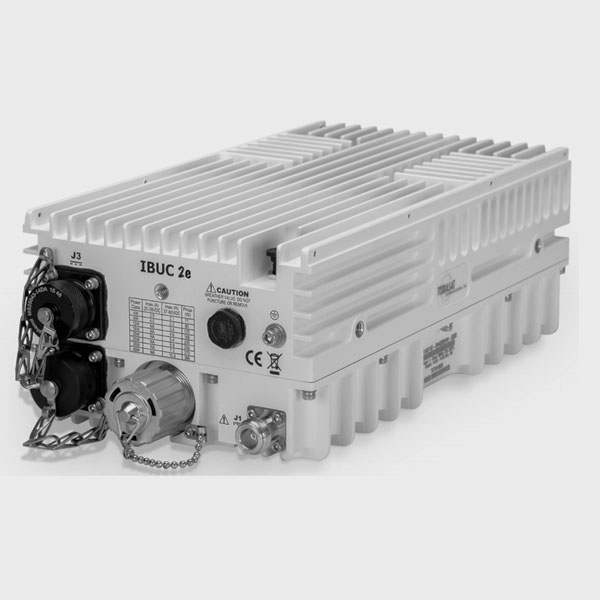
وحدة بث iBUC 2e من Terrasat، نطاق C-Band، من 5 واط إلى 20 واط، نموذج منخفض استهلاك الطاقة
-
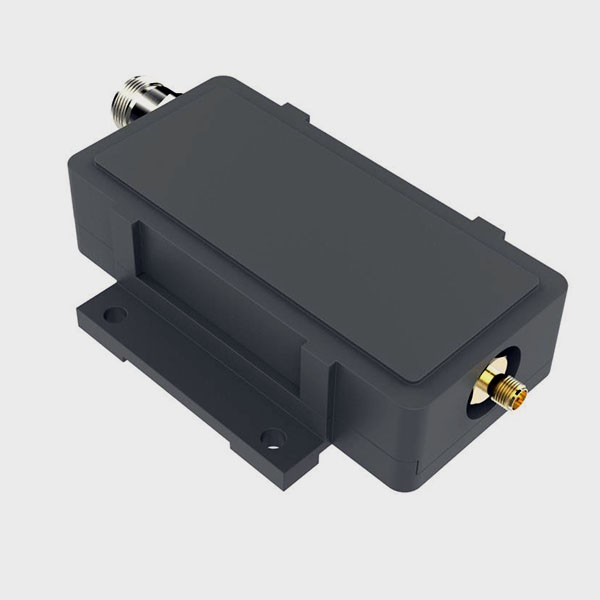
محول تردد منخفض C-Band BDC من SMW، من 3.40 إلى 4.80 جيجاهرتز
-
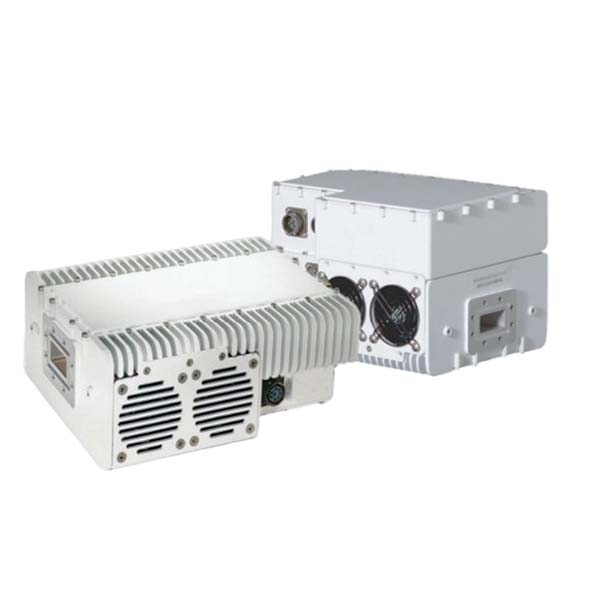
وحدة بث C-Band Agilis، قدرات 20W/25W/40W/50W/60W، مدمجة، سلسلة ALB190/290
-

جهاز إرسال واستقبال Ku Band من Global Skyware XRZ، قدرة خطية من 1.5 إلى 3 واط