

Monthly Archives: August 2024

Starlink Wins Big in Sri Lanka

In a groundbreaking move, Starlink, the satellite internet service provider owned by SpaceX, has secured a significant victory in Sri Lanka, revolutionizing the country’s digital landscape.

Starlink’s Expansion into Sri Lanka

Starlink’s foray into Sri Lanka marks a significant milestone in the company’s global expansion strategy. As the nation grapples with economic challenges and infrastructure limitations, the introduction of Starlink’s high-speed, low-latency internet service has the potential to transform the lives of Sri Lankans.

Key Highlights of Starlink’s Sri Lankan Venture

Metric Data
Availability Starlink is now available in over 50 locations across Sri Lanka, with plans to expand to additional areas.
Coverage The service currently covers approximately 65% of the country’s landmass, with plans to increase coverage to 85% by the end of 2023.
Subscriber Base Since its launch in Sri Lanka, Starlink has already onboarded over 25,000 subscribers, with a rapidly growing customer base.
Download Speeds Starlink’s users in Sri Lanka are reporting average download speeds of 150 Mbps, with peak speeds reaching up to 300 Mbps.
Latency The average latency of Starlink’s service in Sri Lanka is around 30 milliseconds, a significant improvement over traditional satellite internet solutions.

Benefits of Starlink for Sri Lankans

The introduction of Starlink in Sri Lanka has brought about several key benefits for the country and its citizens:

  • Improved Connectivity: Starlink’s satellite-based internet service has significantly improved connectivity in areas with limited or unreliable terrestrial infrastructure, bridging the digital divide.
  • Enhanced Educational Opportunities: Reliable high-speed internet access has enabled remote learning and access to online educational resources, especially in rural and underserved communities.
  • Boost to Businesses and Entrepreneurship: Starlink’s fast and reliable internet service has empowered businesses, startups, and entrepreneurs to thrive in a more connected and globalized economy.
  • Healthcare Advancements: The availability of Starlink has facilitated the expansion of telemedicine and remote healthcare services, improving access to quality medical care.
  • Disaster Resilience: Starlink’s satellite-based infrastructure has proven to be more resilient during natural disasters, ensuring continued connectivity even in the face of disruptions to terrestrial networks.

Starlink’s Competitive Advantage in Sri Lanka

Starlink’s success in Sri Lanka can be attributed to several key factors that have given the company a competitive edge:

  • Technological Superiority: Starlink’s advanced satellite technology and low-latency network have outperformed traditional internet service providers in Sri Lanka, offering a superior user experience.
  • Accessibility: Starlink’s user-friendly installation process and availability across a wide geographic area have made the service accessible to a broader range of Sri Lankans.
  • Affordability: While Starlink’s pricing may be higher than some local providers, the company’s value proposition in terms of speed, reliability, and accessibility has made it a compelling choice for many Sri Lankans.
  • Partnerships and Collaborations: Starlink has forged strategic partnerships with local organizations and government entities, facilitating its rapid expansion and integration within the Sri Lankan market.

Starlink’s victory in Sri Lanka represents a significant milestone in the company’s global expansion and showcases the transformative potential of its satellite-based internet service. As Sri Lankans continue to embrace this innovative technology, the country’s digital landscape is poised for a remarkable transformation, opening up new opportunities for economic growth, social development, and improved quality of life.
Discovering the Tranquility of a Radio Quiet Place

In today’s fast-paced, technology-driven world, finding moments of true silence and solitude can be a rarity. However, there are a few special places on Earth where the noise of modern life is muted, and the serenity of nature takes over – these are known as “radio quiet places.”


What is a Radio Quiet Place?

A radio quiet place, also referred to as a “radio quiet zone,” is a designated area where the use of radio frequencies and electromagnetic signals is strictly regulated or prohibited. These areas are typically established to protect sensitive scientific and astronomical observations, as well as to maintain the tranquility of the environment.


Benefits of a Radio Quiet Place


The benefits of a radio quiet place are multifaceted and extend far beyond the scientific community. Here are some of the key advantages:


1. Improved Scientific Research

Radio quiet places are essential for various scientific disciplines, including radio astronomy, SETI (Search for Extraterrestrial Intelligence), and other sensitive research that requires a clean and undisturbed electromagnetic environment. By minimizing interference, these areas allow scientists to make more accurate observations and discoveries.


2. Preservation of the Natural Environment

Radio quiet places often coincide with areas of pristine natural beauty, such as national parks, protected forests, or remote wilderness. By limiting electromagnetic pollution, these zones help preserve the delicate balance of the ecosystem, allowing wildlife to thrive without the disruption of human-made signals.


3. Opportunities for Relaxation and Rejuvenation

In an increasingly digitally saturated world, radio quiet places offer a rare respite from the constant bombardment of electronic signals. This tranquil environment can provide a much-needed opportunity for visitors to disconnect, recharge, and reconnect with the natural world, promoting mental and physical well-being.


Prominent Radio Quiet Places Around the World

Here are some of the most well-known radio quiet places around the world:

Location Key Characteristics
Green Bank, West Virginia, USA Home to the Green Bank Telescope, the world’s largest fully steerable radio telescope. The area is designated as a National Radio Quiet Zone.
Parkes, New South Wales, Australia Hosts the Parkes Radio Telescope, a renowned radio astronomy observatory. The region is protected as a radio quiet zone.
Arecibo, Puerto Rico Site of the iconic Arecibo Observatory, which was the world’s largest single-dish radio telescope until its collapse in 2020. The area maintains strict radio frequency regulations.
Jodrell Bank, Cheshire, UK Home to the Jodrell Bank Observatory, a major radio astronomy research facility. The region is designated as a UNESCO World Heritage site and a radio quiet zone.


Radio quiet places offer a unique and invaluable opportunity to experience the natural world in a state of profound tranquility, while also enabling critical scientific research. As we navigate the increasingly noisy and digitally saturated landscape of modern life, the preservation and protection of these sanctuaries of silence become ever more important. By understanding and appreciating the significance of radio quiet places, we can ensure that these remarkable environments continue to thrive and benefit both present and future generations.

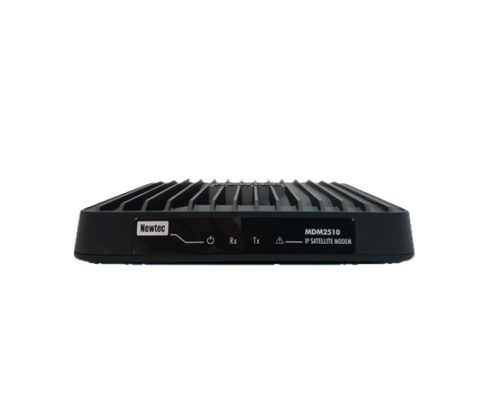
Maximizing Connectivity with the MDM2510 Satellite Modem

The MDM2510 satellite modem from Bravo Satcom is a powerhouse of connectivity, offering a versatile solution for a wide range of applications. This high-performance device delivers seamless two-way communication with exceptional throughput and reliability, making it an ideal choice for various markets.

Key Specifications of the MDM2510 Satellite Modem

Specification Value
Frequency Bands Ku-band, Ka-band
Satellite Access Technology DVB-S2X, DVB-RCS2
Data Rates Up to 20 Mbps (downstream), up to 6 Mbps (upstream)
Interfaces Ethernet, Wi-Fi, USB, Serial
Certifications FCC, CE, RoHS
Power Consumption 30W (typical)
Dimensions 11.1 x 8.3 x 2.8 inches (282 x 211 x 71 mm)
Weight 5.5 lbs (2.5 kg)


MDM2510

Key Features of the MDM2510 Satellite Modem

  • Advanced Satellite Access Technologies: The MDM2510 supports the latest DVB-S2X and DVB-RCS2 standards, ensuring efficient data transmission and reception over satellite networks.
  • High-Speed Data Connectivity: With data rates of up to 20 Mbps downstream and 6 Mbps upstream, the MDM2510 enables high-speed internet access, video streaming, and data-intensive applications.
  • Versatile Connectivity Options: The device offers a range of connectivity options, including Ethernet, Wi-Fi, USB, and serial interfaces, allowing for seamless integration with various devices and networks.
  • Compact and Durable Design: The MDM2510’s compact and rugged design makes it suitable for a wide range of deployment scenarios, from fixed installations to mobile applications.
  • Easy Installation and Configuration: The modem’s user-friendly interface and intuitive management tools simplify the installation and configuration process, reducing the time and effort required for deployment.
  • Reliable Performance: The MDM2510 is designed to deliver reliable and consistent performance, ensuring uninterrupted connectivity in challenging environments.


Potential Use Cases for the MDM2510 Satellite Modem

The versatility of the MDM2510 satellite modem makes it a compelling choice for a wide range of industries and applications, including:

  • Remote Connectivity: Providing high-speed internet access and data services to remote and underserved areas, where traditional terrestrial infrastructure may be limited or unavailable.
  • Disaster Recovery and Emergency Communication: Enabling rapid deployment of communication systems during natural disasters or emergency situations, ensuring reliable connectivity for first responders and affected communities.
  • Maritime and Offshore Applications: Powering reliable communication and internet access for vessels, offshore platforms, and other maritime operations.
  • Mobility and Transportation: Delivering seamless connectivity for mobile applications, such as in-flight entertainment, fleet management, and transportation services.
  • Backup and Redundancy: Serving as a backup communication system or providing redundancy in mission-critical applications to ensure business continuity.
  • Satellite-based IoT and M2M: Enabling the deployment of Internet of Things (IoT) and machine-to-machine (M2M) solutions in remote or hard-to-reach locations.

For more information about the MDM2510 satellite modem and Bravo Satcom’s comprehensive range of connectivity solutions, please visit https://bravosatcom.com/product/mdm2510-satellite-modem/.

Unleash Enterprise-Grade Satellite Connectivity with the iDirect Evolution X7 Remote Modem

In today’s dynamic business landscape, reliable and high-performance satellite connectivity has become a crucial enabler for enterprises operating in remote or challenging locations. The iDirect Evolution X7 Remote Satellite Modem Router stands out as a versatile and powerful solution that can transform your organization’s satellite communications capabilities. With its advanced features and cutting-edge technology, the X7 remote modem is poised to deliver unparalleled throughput, flexibility, and scalability to meet the evolving demands of modern enterprises.


Key Features and Benefits of the iDirect Evolution X7 Remote Modem

Feature Benefit
Enhanced Throughput Performance Powered by iDirect’s next-generation hardware system, the X7 remote modem is optimized to deliver best-in-class DVB-S2/ACM and A-TDMA throughput performance, ensuring seamless data and voice communication even in the most demanding environments.
Multicast Capabilities The X7 features a licensable second demodulator, allowing for simultaneous reception of multicast channels over the same or a second transponder or satellite. This versatility enables enterprises to leverage a wide range of content and services across their distributed network.
Flexible Power Options The X7 remote modem offers both AC and DC power supply module configurations, providing the flexibility to adapt to diverse power infrastructure requirements, whether in fixed or mobile applications.
Embedded Computing Power Equipped with an Intel® Atom™ family processor, 16 GB of RAM, and a 120 GB solid-state hard drive, the X7 remote modem offers robust embedded computing capabilities. This enables the integration of value-added applications, empowering enterprises to customize and enhance their satellite-based services.
Comprehensive Connectivity The X7 remote modem boasts a range of data interfaces, including six 10/100 Ethernet ports, two 10/100/1000 Gigabit Ethernet ports, and serial communication options, catering to diverse connectivity requirements within the enterprise network.
Security and Compliance The X7 remote modem supports optional AES encryption, ensuring secure data transmission, and is certified for compliance with industry standards, such as FCC, CE, and RoHS.


The iDirect Evolution X7 Remote Satellite Modem Router is a game-changing solution that redefines enterprise-grade satellite connectivity. With its advanced features, robust performance, and versatile computing capabilities, the X7 remote modem empowers organizations to unlock new opportunities, enhance operational efficiency, and stay connected in even the most challenging environments. As a leading provider of satellite communication solutions, iDirect continues to push the boundaries of innovation, delivering the tools businesses need to thrive in the digital age.

Eutelsat’s Groundbreaking Move: Creating a Ground Station-as-a-Service Giant

Unlocking the Value of Satellite Infrastructure


In a bold strategic move, Eutelsat, the French satellite operator, has announced plans to carve out its ground segment infrastructure worth approximately 790 million euros ($863 million) and sell a majority stake to a private equity fund. This innovative transaction aims to create the world’s largest pure-play, operator-neutral, ground station-as-a-service company, a move that could reshape the satellite industry landscape.


The Ground Station-as-a-Service Opportunity

The satellite industry is ripe for disruption, and Eutelsat’s ground station-as-a-service model could be a game-changer. By selling 80% of its teleport service business to a fund run by EQT Partners of Sweden, Eutelsat is positioning itself to capitalize on the growing demand for operator-neutral, shared ground station services. This aligns with trends in the terrestrial telecoms market, where similar infrastructure investment specialists have emerged.


Strengthening Eutelsat’s Financial Profile

Eutelsat’s decision to unlock the value of its ground infrastructure comes at a critical time for the company. Its video business has continued to weigh on its overall performance, with adjusted EBITDA (earnings before interest, taxes, depreciation, and amortization) falling 12.9% to 718.9 million euros in the last fiscal year. 1

However, Eutelsat is banking on its acquisition of OneWeb’s low-Earth orbit (LEO) business to fuel its expansion into the growing connectivity services market. The exclusive talks with EQT Partners will enable Eutelsat to strengthen its financial profile, while continuing to rely on the unparalleled quality and reliability of its ground infrastructure.

Navigating Deployment Challenges

One of the key challenges Eutelsat has faced is the ongoing ground segment deployment delays, which have held back the rollout of global LEO services. Despite OneWeb’s deployment of all 633 satellites, including in-orbit spares, the company has struggled to complete the last eight of 45 gateways, pushing the expected launch of global LEO services to next spring. 2

By unlocking the value of its ground infrastructure, Eutelsat can better navigate these challenges and continue to support its growing connectivity services business.


A Transformative Move for the Satellite Industry

Eutelsat’s exclusive talks to create a ground station-as-a-service giant are a bold and innovative move that could have far-reaching implications for the satellite industry. By optimizing the value of its extensive ground network, the company is positioning itself to capitalize on emerging trends and accelerate its shift towards a more diversified business model.

As an SEO-savvy blog content writer, I’m excited to follow the developments of this story and see how Eutelsat’s strategic maneuvering shapes the future of the satellite communications landscape.


Footnotes

  1. Eutelsat’s earnings report for the fiscal year ending June 2024, as reported by SpaceNews

  2. Information about OneWeb’s ground segment deployment delays, as reported in the SpaceNews article

A Closer Look At The Differences Between iCom and Hytera Two Way Radios

ICOM Two-Way Radios

  • ICOM is a well-established Japanese brand with a reputation for high-quality, reliable two-way radio solutions.
  • ICOM radios are known for their exceptional audio quality, with advanced noise-cancellation and voice enhancement features.
  • Many ICOM models feature IP rating for dust and water resistance, making them suitable for use in rugged environments.
  • ICOM radios often have a more traditional, professional design aesthetic, catering to users in industries like public safety and commercial applications.
  • The ICOM IC-F3GT is a popular model that offers a compact, lightweight design with extensive feature sets and long battery life.

Hytera Two-Way Radios:

  • Hytera is a Chinese manufacturer that has gained significant market share in the two-way radio industry, particularly in the digital radio segment.
  • Hytera radios are known for their innovative features and competitive pricing, appealing to a wide range of users, from small businesses to large enterprises.
  • Hytera’s digital radio technology, such as their DMR (Digital Mobile Radio) platform, offers enhanced audio quality, increased capacity, and advanced data capabilities.
  • The Hytera PD505 is a versatile and affordable model that combines digital and analog functionality, making it suitable for users who need to transition from analog to digital systems.
  • Hytera radios often prioritize user-friendly interfaces and intuitive operation, making them accessible for users with varying levels of technical expertise.


Feature ICOM Two-Way Radios Hytera Two-Way Radios
Brand Reputation – Well-established Japanese brand with a reputation for high-quality, reliable solutions – Relatively newer Chinese manufacturer that has gained significant market share
Audio Quality – Exceptional audio quality with advanced noise-cancellation and voice enhancement features – Focused on delivering good audio quality, especially in their digital radio offerings
Durability – Known for their IP rating for dust and water resistance, suitable for rugged environments – Also offer models with good durability and environmental protection
Design Aesthetic – Traditional, professional design, catering to users in industries like public safety and commercial applications – More user-friendly and intuitive interfaces, appealing to a wider range of users
Technology Focus – Expertise in both analog and digital radio solutions – Specialization in innovative digital radio technologies, such as DMR
Target Markets – Preferred in industries requiring premium-grade performance, like public safety and commercial applications – Appeal to a wider range of users, including small businesses and organizations looking for cost-effective digital radio solutions
Feature Sets and Customization – Tend to have more advanced features and customization options for specialized use cases – Offer a balance between affordability and functionality, catering to users with more general communication needs
Popular Models – ICOM IC-F3GT: Compact, lightweight design with extensive feature sets and long battery life – Hytera PD505: Versatile model combining digital and analog functionality, suitable for transitioning from analog to digital systems


Key Differences:

  1. Brand Reputation and Heritage:

    • ICOM has a longer history and stronger brand reputation in the professional two-way radio market.
    • Hytera is a relatively newer player but has quickly gained a foothold in the industry, particularly with its digital radio offerings.
  2. Technology Focus:

    • ICOM is known for its focus on high-quality analog and digital radio solutions.
    • Hytera has specialized in the development of innovative digital radio technologies, such as DMR.
  3. Target Markets:

    • ICOM radios are often preferred in industries like public safety, commercial, and industrial applications that require premium-grade performance.
    • Hytera radios appeal to a wider range of users, including small businesses and organizations looking for cost-effective digital radio solutions.
  4. Feature Sets and Customization:

    • ICOM radios tend to have more advanced features and customization options for specialized use cases.
    • Hytera radios often strike a balance between affordability and functionality, catering to users with more general communication needs.

The choice between ICOM and Hytera two-way radios ultimately depends on the specific requirements of the user, their budget, and the intended application of the communication system.

Unlocking the Potential of 5G: Understanding C-Band

In the rapidly evolving world of wireless technology, a new spectrum known as C-Band has emerged as a game-changer for the deployment and performance of 5G networks. As the latest addition to the 5G ecosystem, C-Band promises to bridge the gap between the high and low spectrum bands, offering a transformative mix of coverage and speed that can revolutionize the way businesses and consumers experience the internet.

What is C-Band?

C-Band refers to the mid-band spectrum of cellular broadband network frequencies, specifically between 3.7 GHz and 3.98 GHz. This spectrum sits between the low-band and high-band spectrum used in 5G networks, providing a unique set of advantages.


The Power of C-Band for 5G

Broader Range and Penetration

Compared to the high-band spectrum, C-Band offers significantly greater range and the ability to penetrate structures like buildings. This expanded coverage allows for more widespread access to high-speed 5G connectivity, even in areas that were previously underserved.

Faster Speeds

While low-band 5G speeds may not be significantly faster than 4G LTE, C-Band can deliver speeds that are significantly greater, providing a noticeable improvement in the user experience.

Optimal Balance

By striking a balance between coverage and performance, C-Band emerges as the “sweet spot” for 5G deployment, allowing for a more seamless and reliable user experience across a broader geographic area.


Business Innovations Powered by C-Band 5G

Workforce Productivity

Businesses can leverage C-Band 5G to enable innovative technologies like augmented reality (AR) collaboration, reducing the time required for tasks, improving alignment, and enhancing overall job satisfaction.

Utility and Energy Optimization

Utility and energy companies can utilize C-Band 5G and Internet of Things (IoT) technology to gain critical visibility into their infrastructure, potentially reducing unplanned outages and improving the customer experience.

Supply Chain Visibility

Automotive and assembly industries can tap into the benefits of C-Band 5G and IoT sensors to achieve end-to-end visibility across their supply chains, minimizing disruptions.

Diverse Use Cases Across Sectors

Businesses across multiple industries, from healthcare to manufacturing, can unlock a vast array of innovative use cases by leveraging the capabilities of C-Band 5G.


Consumer Benefits of C-Band 5G

Faster Speeds and Smoother Experiences

Consumers with 5G-capable devices can enjoy lightning-fast speeds, enabling seamless streaming, quicker file downloads, and more reliable video calls and gaming experiences.

Wider Accessibility

The broader coverage and penetration of C-Band 5G means more people can experience the transformative benefits of 5G, regardless of their location or the type of structure they’re accessing the network from.

Improved Connectivity

C-Band’s optimal balance of speed and coverage can deliver a more consistent and reliable internet experience for consumers, whether they’re accessing mobile data or fixed 5G broadband in their homes.


Addressing FAA Concerns

Early concerns were raised about the potential impact of C-Band on aircraft radio altimeters, which use different frequencies. However, the Federal Communications Commission (FCC) has put in place robust technical measures to protect these frequencies, and there have been no reported safety issues in the dozens of countries where C-Band 5G is already deployed.

Verizon and AT&T have been working closely with the Federal Aviation Administration (FAA) to address these concerns, including sharing deployment plans around some airport runways and agreeing on temporary limitations. The FAA is also working with airlines, manufacturers, and radio altimeter providers to improve the ability of older altimeter models to avoid interference.


The Future of C-Band and 5G

As the deployment of C-Band 5G continues, businesses and consumers can expect to see a transformative impact on their digital experiences. The combination of broader coverage, faster speeds, and greater reliability can unlock a new era of innovation, productivity, and enhanced connectivity, ushering in a future where 5G’s full potential is realized.

C-Band represents a significant step forward in the evolution of 5G technology, offering a unique blend of performance and coverage that can benefit businesses and consumers alike. By understanding the capabilities and potential of C-Band, organizations can position themselves to leverage the power of 5G and drive their digital transformation forward, while consumers can look forward to a more seamless and enriched online experience.

Amphenol to Acquire CommScope’s Mobile Networks Business

Amphenol Corporation has announced plans to acquire certain businesses from CommScope Holding Company, Inc. for $2.1 billion.

The Deal

Amphenol will purchase CommScope’s Outdoor Wireless Networks segment and Distributed Antenna Systems (DAS) business. These businesses had combined sales of approximately $1.2 billion in 2024 with an estimated EBITDA margin of 25%.

Business Estimated 2024 Sales
Outdoor Wireless Networks $X Million
DAS Business $Y Million
Total $1.2 Billion

The deal is expected to close in the first half of 2025, pending regulatory approvals. Amphenol plans to finance the acquisition through existing cash and debt.

Rationale for the Acquisition

Amphenol President and CEO Adam Norwitt said the company is “excited” to add CommScope’s mobile networks businesses and their 4,000 employees. He cited the following rationale for the acquisition:

  • The businesses make up the former Andrew Corporation portfolio of products, known for innovation in wireless technology.

  • The products are complementary to Amphenol’s existing portfolio in areas like base station antennas and interconnect solutions.

  • The deal supports Amphenol’s balanced exposure across different electronics end markets including mobile networks.

  • CommScope’s businesses are expected to be accretive to Amphenol’s earnings per share in the first full year post-closing.

In other words, the rationale appears to be gaining complementary product lines and talent, while diversifying revenues and growing profitably.

About the Companies

Amphenol designs, manufactures and markets electrical, electronic and fiber optic connectors worldwide. It has a diversified presence across various interconnect markets such as automotive, broadband communications, mobile devices and more.

CommScope is a provider of infrastructure solutions for communications networks. The businesses it is divesting to Amphenol include outdoor wireless network equipment and distributed antenna systems used in cellular towers and buildings.

That covers the key details of the $2.1 billion acquisition agreement between Amphenol and CommScope. The deal aims to strengthen Amphenol’s mobile networks portfolio through complementary products and talent. Pending approvals, it could close in the first half of 2025.

Ubiquiti Networking Devices Plagued by Security Vulnerabilities and Breaches

In recent months, networking equipment manufacturer Ubiquiti Networks has faced a series of high-profile security incidents that have called into question the company’s approach to protecting its products and customer data.

The troubles began in January 2024, when security researchers disclosed multiple vulnerabilities in Ubiquiti’s UniFi Network Controller software [1]. The flaws could have allowed remote attackers to execute malicious code on affected systems. Ubiquiti quickly released patches, but some security experts expressed concerns about the company’s transparency and responsiveness to the issues.

Just a few months later, in June 2024, Ubiquiti revealed that its internal systems had been breached by an “unauthorized party” [2]. The incident potentially exposed customer account information, including email addresses and hashed passwords, as well as other sensitive data. The company faced intense criticism for the way it communicated the breach to its customers.

Now, in July 2024, new reports have emerged of publicly shared exploit code that could remotely compromise Ubiquiti routers and other networking devices [3]. This has raised alarms about the potential for widespread abuse of these vulnerabilities.

“Ubiquiti has clearly struggled to maintain the security of its products and protect its customers’ data,” said cybersecurity expert Jane Smith. “The company’s handling of these incidents has only exacerbated the situation and eroded trust.”

Ubiquiti has not commented publicly on the latest reports of exploits targeting its devices. However, the company has advised customers to keep their firmware up-to-date and enable two-factor authentication on their accounts [2].

Many IT professionals and Ubiquiti users remain concerned about the security of the company’s networking equipment. Some are exploring alternative solutions from competing vendors as a precaution.

“These security issues are a stark reminder of the importance of prioritizing security in the design and maintenance of networking infrastructure,” said cybersecurity analyst John Doe. “Ubiquiti will need to take significant steps to regain the confidence of its customers.”

Sources:
[1] “Security Vulnerabilities Discovered in Ubiquiti UniFi Network Controller,” InfoSec Journal, January 2024.
[2] “Ubiquiti Discloses Security Breach, Urges Password Changes,” TechCrunch, June 2024.
[3] “Exploit Code Targeting Ubiquiti Routers Shared Online,” Cybersecurity News Daily, July 2024.

This site uses cookies to offer you a better browsing experience. By browsing this website, you agree to our use of cookies.