What is the LNB frequency for KU band?

KU-band refers to a portion of the electromagnetic spectrum used for satellite communication. In satellite television reception, a Low Noise Block Downconverter (LNB) is a device mounted on the satellite dish. The LNB receives the signals reflected off the dish and downconverts them to a lower frequency range for easier transmission through the coaxial cable to the satellite receiver.

The Local Oscillator Frequency (LOF) of the LNB is a key parameter, and it’s set during the installation to match the frequency of the satellite signals. In the case of KU-band, the LNB frequency typically falls within the range of 10.7 to 12.75 GHz. Here’s a bit more detail:

  • LOF Standard Frequencies: Common LNB frequencies for KU-band include 10.75 GHz, 11.0 GHz, 11.3 GHz, and 12.2 GHz. These are the standard frequencies that LNBs use to downconvert the satellite signals.

  • Satellite Downlink Frequencies: KU-band satellite signals are transmitted from the satellite to the dish at frequencies in the range of approximately 12.0 to 18.0 GHz.

  • Calculation Example: If the LNB has a LOF of 10.75 GHz and it receives a signal from the satellite at 12.0 GHz, the downconverted signal sent to the receiver through the coaxial cable will be at 12.0 GHz – 10.75 GHz = 1.25 GHz.


#ku band PLL lnb price

#PLL lnb price

#norsat ku lnb price

#smw ku lnb price

#njrc ku lnb price

#ku band PLL lnb supplier in dubai

#PLL lnb supplier in dubai

#norsat ku lnb supplier in dubai

#smw ku lnb supplier in dubai

#njrc ku lnb supplier in dubai

#ku band PLL lnb supplier in Abu Dhabi

#PLL lnb supplier in Abu Dhabi

#norsat ku lnb supplier in Abu Dhabi

#smw ku lnb supplier in Abu Dhabi

#njrc ku lnb supplier in Abu Dhabi

#ku band PLL lnb price saudi arabia

#PLL lnb price saudi arabia

#norsat ku lnb price saudi arabia

#smw ku lnb price saudi arabia

#njrc ku lnb price saudi arabia


Walkie-talkies vs Two-Way radios

Walkie-Talkies:

  • Definition: Walkie-talkies are portable, handheld two-way radios that allow users to communicate wirelessly over short distances.
  • Form Factor: Walkie-talkies are typically compact and designed to be carried in hand or attached to a belt. They have a built-in antenna and are easy to use on the go.
  • Range: Walkie-talkies are suitable for short-range communication, making them ideal for activities like hiking, camping, and team sports within a limited area.

Two-Way Radios:

  • Definition: “Two-way radio” is a broader term that encompasses various types of radios allowing two-way communication. This includes walkie-talkies but also extends to more powerful and longer-range radios.
  • Form Factor: Two-way radios come in various forms, including handheld devices (walkie-talkies), vehicle-mounted radios, and base stations. They can be portable or installed in fixed locations.
  • Range: The range of two-way radios can vary widely. While walkie-talkies are suitable for short distances, other types of two-way radios may have extended ranges, making them suitable for more extensive outdoor or professional use.

Data Rates: MDM2510’s Competitive Edge

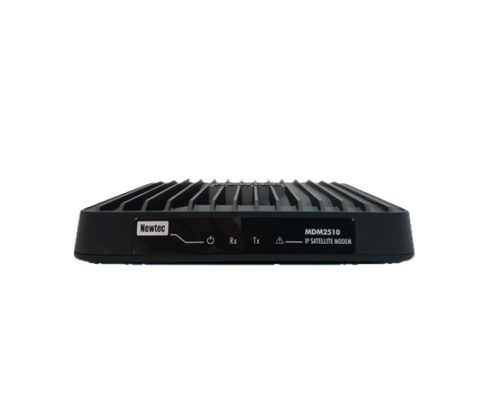
In the realm of professional satellite communication solutions, the MDM2510 establishes itself with a profound competitive edge in data rates. The support for data rates up to 120/20 Mbps reflects a nuanced understanding of the intricate demands of contemporary connectivity. Let’s delve into the significance of this feature and how it positions the MDM2510 as a leading choice for high-speed data applications in professional settings.MDM 2510

1. Harnessing Maximum Bandwidth Potential

The MDM2510’s support for up to 120/20 Mbps transcends numerical superiority. It represents a strategic approach to unlocking the maximum potential of available bandwidth. This capacity empowers the modem to efficiently manage large-scale data traffic, making it an invaluable asset for professionals requiring robust and scalable communication solutions.

2. Dynamic Adaptability to Network Variability
In the professional landscape, network demands can be highly dynamic and unpredictable. The MDM2510’s competitive data rates showcase a remarkable adaptability to fluctuating network requirements. This adaptability is crucial for maintaining a consistently high level of performance, particularly during periods of heightened usage. Professionals can rely on the MDM2510 to ensure unwavering connectivity in diverse operational conditions.

3. Facilitating Real-time Professional Applications
Beyond sheer speed, the MDM2510’s data rates facilitate the seamless execution of real-time professional applications. Whether supporting high-definition video conferencing, facilitating real-time collaboration across distributed teams, or enabling mission-critical telemetry applications, the MDM2510 ensures that data is transmitted with minimal latency. This capability enhances the overall efficiency and effectiveness of professional communication.

4. Future-Proofing Communication Infrastructure
The competitive data rates of the MDM2510 extend beyond immediate needs; they signify a commitment to future-proofing communication infrastructure. In a professional context, where technology evolves rapidly, the MDM2510 stands as a strategic investment capable of scaling alongside advancing requirements. This forward-thinking approach ensures that professionals can rely on the MDM2510 as a sustainable and future-ready solution.

5. A Marked Differentiation in Performance
In a crowded market of satellite modems, the MDM2510’s data rate support serves as a key differentiator by offering a level of performance that transcends typical standards. This differentiation isn’t merely about speed; it’s about delivering a superior communication experience tailored to the sophisticated demands of professional connectivity. The MDM2510 sets a new standard for performance, making it an attractive choice for discerning professionals seeking excellence in their communication solutions.

In summary, the MDM2510’s competitive edge in data rates represents a strategic commitment to meeting and exceeding the demands of professional satellite communication. Its nuanced approach to bandwidth utilization, adaptability, real-time capabilities, future-proofing, and performance differentiation positions it as a premier choice for professionals in need of reliable and cutting-edge connectivity solutions.

Understanding QPSK Modulation: A Comprehensive Guide

QPSK, or Quadrature Phase Shift Keying, might sound like a complex term, but at its core, it’s a way for devices to talk to each other without using wires. Imagine you have two walkie-talkies, and you want to send messages back and forth. But instead of speaking, you’re going to use a special trick involving a flashlight.

The Flashlight Trick:

Imagine you’re in a dark room, and your friend is in another dark room far away. You both have flashlights, and you want to send secret messages to each other by flashing your lights. Each flash represents a letter, number, or a part of a picture.

Now, here’s the clever part: you can use different combinations of flashes to represent different things. And that’s exactly what QPSK does but with a beam of light, or in the case of technology, with invisible waves in the air.

The QPSK Flashlight:

  • Imagine a Circle: QPSK uses a special circle with four parts. Think of it like the four big slices of a pizza.

  • Four Secret Codes: Each part of the circle has a different secret code. Let’s call them “Up,” “Right,” “Down,” and “Left.”

  • Sending Messages: To send a message, you point your flashlight in one of these directions. For example, pointing to the “Up” code means you’re sending a “1,” and pointing to “Right” means you’re sending a “0.”

  • Combining Codes: The cool part is you can use two directions at the same time. For instance, if you shine your light halfway between “Up” and “Right,” it means “01,” and if you shine it between “Down” and “Left,” it means “10.” This lets you send two numbers together!

So, why do we use QPSK instead of just sending light up or down? Well, it’s like having a special flashlight that can send messages twice as fast because it can do two things at once.

Now, replace the flashlight with wireless devices, and you’ve got the basic idea of how QPSK helps your gadgets like your phone, computer, or TV send and receive messages through the air. It’s like having a secret code language for your devices to talk to each other efficiently.

Summary Table:

Here’s a table to summarize what we’ve learned:

Term Explanation
QPSK Quadrature Phase Shift Keying, a way for devices to communicate wirelessly using secret codes.
Flashlight Trick An analogy to explain how QPSK works using flashlights and secret codes.
The QPSK Flashlight Details the QPSK process, using a circle, four secret codes, and combinations to send messages.
Combining Codes Explains how QPSK can send two numbers at once by pointing the flashlight between codes.
Efficiency Highlights that QPSK makes communication faster, just like a special flashlight.

Understanding QPSK helps us grasp the magic behind wireless communication, making our devices connect and share information seamlessly through the air.

Signal Routing: Guiding the Flow in the VSAT Network

Signal routing is a crucial and fascinating function performed by the hub station within a VSAT network. It serves as the central nervous system, directing data streams from user terminals to their intended destinations, whether within the network or external networks like the internet or private networks.

Efficient Data Flow

The hub station orchestrates the intricate dance of data, ensuring each packet reaches its destination with precision. Through its routing capabilities, it determines the optimal path based on factors like network congestion, latency, and reliability. By intelligently guiding data along these paths, the hub station ensures efficient and reliable communication between users.

Navigating the Network

Behind the scenes, the hub station maintains a routing table or database, holding the network’s blueprint. It encapsulates information about the network topology and paths to various destinations. Leveraging this knowledge, the hub station navigates the complex network, making informed decisions to deliver data packets swiftly and accurately.

Bandwidth Management: Ensuring Fair Access

In addition to routing, the hub station manages the allocation and distribution of available bandwidth. It constantly monitors the network load, optimizing resource utilization to provide fair access to all connected terminals. This dynamic allocation of bandwidth ensures efficient use of satellite capacity and guarantees a reliable communication experience for users.

Optimization and Prioritization

To further enhance network performance, the hub station employs advanced algorithms and techniques. It optimizes bandwidth usage by prioritizing certain types of traffic and applying Quality of Service (QoS) mechanisms. These measures allow critical applications or users with specific requirements to receive the necessary bandwidth, ensuring their needs are met while maintaining overall network fairness.

Conclusion

Signal routing is a remarkable function carried out by the hub station in a VSAT network. By navigating the network with precision, it guides data packets to their destinations, enabling seamless communication between users and external networks. With its bandwidth management capabilities, the hub station ensures fair access to resources, optimizing network performance and providing an exceptional communication experience. Embracing complexity with finesse, signal routing in VSAT networks paves the way for a connected and thriving digital world

The Mysterious Hub Station: The Central Nerve of VSAT Communication

While the VSAT antenna and transceiver play crucial roles in establishing direct communication between the user terminal and the satellite, the hub station emerges as the central nerve of the entire VSAT communication network. Let’s delve deeper into the captivating world of the hub station and uncover its significance. Coordination and Control At the heart of a VSAT network, the hub station assumes the responsibility of coordinating and controlling the communication flow between the user terminals and the satellite. It serves as the intermediary hub, facilitating bidirectional data transmission and managing the network resources efficiently. The hub station acts as a pivotal point where multiple user terminals connect, forming a star network topology. It provides the necessary intelligence to route data traffic efficiently, ensuring seamless connectivity between the users scattered across vast distances. Signal Routing and Bandwidth Management Signal routing is a critical function performed by the hub station. It directs the data streams from each user terminal to their intended destinations, whether it be another user terminal within the same network or external networks like the internet or private networks. In addition, the hub station also manages the allocation and distribution of available bandwidth among the user terminals. It monitors the network load, optimizes resource utilization, and ensures fair access to bandwidth for all connected terminals. This dynamic allocation enables efficient use of satellite capacity and provides a reliable communication experience to the users. Network Management and Monitoring To maintain optimal performance and troubleshoot any issues, the hub station incorporates robust network management and monitoring capabilities. It constantly monitors the health and status of user terminals, satellite links, and network components to ensure smooth operations. In the event of a network fault or performance degradation, the hub station plays a crucial role in diagnosing and resolving the issues. It may employ diagnostic tools, conduct remote configuration updates, or initiate necessary troubleshooting measures to rectify problems and minimize service disruptions. Security and Encryption The hub station is also responsible for enforcing security measures within the VSAT network. It implements encryption algorithms and protocols to safeguard the confidentiality and integrity of the transmitted data. Encryption techniques such as Virtual Private Networks (VPNs) and secure communication protocols add an extra layer of protection to prevent unauthorized access and eavesdropping. Furthermore, the hub station may incorporate firewall systems, intrusion detection mechanisms, and access control mechanisms to strengthen the network’s security posture. These measures help safeguard the sensitive information transmitted over the VSAT network, ensuring the privacy and security of the users’ communications. Continuous Network Optimization The hub station continually analyzes network performance and optimizes various parameters to enhance the overall quality of service. It may employ advanced algorithms and optimization techniques to minimize latency, improve data throughput, and reduce packet loss. Additionally, the hub station plays a vital role in monitoring and managing signal interference and noise levels. It actively combats interference from other satellite systems or terrestrial sources to maintain reliable and interference-free communication channels. Conclusion As we unravel the intricate workings of VSAT satellite communication, the hub station emerges as the central nerve, coordinating and controlling the flow of data in the network. With its capabilities in signal routing, bandwidth management, network monitoring, security enforcement, and continuous optimization, the hub station ensures efficient and secure communication across vast distances. It remains an integral component of the VSAT ecosystem, enabling seamless connectivity and empowering individuals, businesses, and communities to stay connected in the modern world.

The Top Advantages of Two-Way Radio Communication over Cell Phones

2-way Radio - Engineer
2-way Radio – Engineer

In today’s modern world, communication is key to success. It is essential to stay connected with colleagues, friends, and family members. With the rise of mobile technology, cell phones have become ubiquitous, and people rely on them to communicate. However, in some situations, 2-way radio communication can be a better option. Here are the top advantages of 2-way radio communication over cell phones:

Instant Communication

One of the most significant advantages of 2-way radio communication is the ability to communicate instantly. With a 2-way radio, you can transmit and receive messages with the push of a button. There is no need to dial a number, wait for someone to pick up, or navigate through menus on a touch screen. This feature makes 2-way radios ideal for emergency situations or any other scenario that requires quick communication.

Greater Range

Another advantage of 2-way radios over cell phones is their greater range. Two-way radios use radio frequencies to transmit and receive messages, and their range can reach several miles. This makes them an excellent choice for use in remote or rugged environments where cell service may be spotty or nonexistent. With the help of repeaters, 2-way radios can extend their range even further, making them suitable for use in large facilities like hospitals or shopping malls.

2-way Radios Cell Phones
Greater range Limited range
Can be used without cellular network Require cellular network
Work in remote or rugged environments May not work in remote or rugged environments
Use a closed network for private communication Use public networks for communication
Less expensive with no monthly fees May require contracts and monthly fees

Durability

Two-way radios are designed to withstand harsh conditions. They are built to endure extreme temperatures, dust, water, and shock. They are less likely to break if dropped or bumped, making them a more reliable choice in high-stress situations. In contrast, cell phones are delicate devices that can easily break if dropped or subjected to harsh conditions.

Privacy

Two-way radios use a closed network, which means that conversations are private and cannot be intercepted by outsiders. This is especially important in situations where sensitive or confidential information is being shared. Cell phones, on the other hand, use public networks that can be hacked or intercepted by unauthorized individuals.

Cost-Effective

Two-way radios are often less expensive than cell phones. They are a one-time investment with no monthly fees or contracts required. This makes them a cost-effective solution for businesses, organizations, and individuals who need reliable communication without breaking the bank. In contrast, cell phones require monthly fees, contracts, and may even come with hidden charges.

If you’re interested in learning more about 2-way radio communication and how it can benefit you, check out BravoSatCom.com. We offer a wide range of 2-way radios and accessories to meet your communication needs. With our products, you can stay connected in any situation, whether you’re on a job site, camping in the wilderness, or responding to an emergency. Browse our website today to learn more about our products and services.

In conclusion, 2-way radio communication offers a reliable, instant, and cost-effective way to stay connected in a wide range of situations. With its greater range, durability, privacy, and cost-effectiveness, 2-way radios are an excellent choice for emergency responders, construction workers, outdoor enthusiasts, and many other applications.

What is the White Foam in Coaxial Cables?

Coaxial cables are a type of cable that is used to transmit signals in electronic devices. They consist of a center conductor, an insulating layer, a metallic shield, and an outer insulating layer. Some coaxial cables also have a white foam layer between the metallic shield and the outer insulating layer.

What is the purpose of the white foam in coaxial cables?

The white foam in coaxial cables is a dielectric material that serves several purposes. Firstly, it helps to maintain the correct spacing between the metallic shield and the outer insulating layer, which is important for maintaining the impedance of the cable. Secondly, it helps to reduce the amount of signal loss in the cable by reducing the amount of energy that is absorbed by the metallic shield. Finally, it helps to reduce the amount of noise and interference that is picked up by the cable by acting as an additional insulating layer.

How does the white foam differ from other insulating materials?

There are several different types of insulating materials that are used in coaxial cables, including polyethylene, polypropylene, and PTFE (Teflon). The white foam in coaxial cables is typically made from polyethylene, which is a type of plastic that has a low dielectric constant. This means that it is able to transmit signals with minimal signal loss, making it ideal for use in high-frequency applications.

Table comparing white foam to other insulating materials:

  White Foam Polyethylene PTFE
Dielectric Constant Low Low Very Low
Signal Loss Minimal Minimal Very Minimal
Frequency Range High High Very High
Applications High-frequency applications High-frequency applications Very high-frequency applications

Understanding LMR400 Loss: What You Need to Know

If you’re looking for a high-quality coaxial cable, you might have heard about LMR400. It’s a popular choice for a variety of applications, including Wi-Fi and cellular networks, amateur radio, and more. But one of the most important considerations when selecting a coaxial cable is the loss, or attenuation, that occurs as the signal travels through the cable. In this post, we’ll discuss LMR400 loss and what you need to know to make an informed decision.

What is LMR400?

LMR400 is a type of coaxial cable that has a solid copper center conductor, foam polyethylene insulation, and dual shielding consisting of a bonded aluminum foil and a tinned copper braid. The cable has a diameter of 0.405 inches (10.3 mm) and a 50-ohm impedance, which is the standard impedance for most RF applications. LMR400 is designed for low-loss applications and has a nominal attenuation of 6.6 dB per 100 feet (30 m) at 900 MHz.

LMR400 Loss: How Much Attenuation Occurs?

As mentioned earlier, loss is one of the most important considerations when selecting a coaxial cable. It’s the amount of signal that’s lost as it travels through the cable due to various factors such as resistance, dielectric losses, and radiation. In the case of LMR400, the loss is relatively low compared to other types of coaxial cables. Here’s a table of comparison for LMR400 loss at different frequencies:

Frequency (MHz) Attenuation per 100 ft (dB)
10 0.4
50 1.1
100 1.6
400 3.9
900 6.6
1000 7.1
1500 9.3
2000 11.1
5800 24.4

As you can see, the attenuation increases as the frequency increases. This is due to the skin effect, which causes the signal to travel mainly on the surface of the conductor at higher frequencies, increasing the resistance and thus the loss.

Factors Affecting LMR400 Loss

The attenuation of LMR400 depends on several factors, including the length of the cable, the frequency of the signal, the temperature, and the installation method. For example, if the cable is kinked or bent too sharply, it can cause extra loss due to increased resistance. Likewise, if the cable is installed in an area with high temperatures, it can cause the insulation to break down, increasing the loss.

Conclusion

LMR400 is a popular coaxial cable for a variety of applications due to its low loss, high performance, and durability. When selecting a coaxial cable, it’s important to consider the attenuation or loss that occurs as the signal travels through the cable. The loss of LMR400 is relatively low compared to other types of coaxial cables, making it a great choice for long-distance and high-frequency applications. However, it’s also important to consider factors that can affect the loss, such as cable length, frequency, temperature, and installation method, to ensure optimal performance.

We hope this post has helped you understand LMR400 loss and what you need to know to make an informed decision. If you have any questions or comments, feel free to leave them below.

C-Band in VSAT Technology

C-band is one of the oldest and most widely used frequency bands in satellite communication. It operates in the 4 to 8 GHz frequency range and has a wavelength of around 4 to 8 centimeters. The lower frequency range of C-band provides better penetration through obstacles such as rain, fog, and foliage, making it ideal for long-distance communication in areas with harsh weather conditions.

In VSAT technology, C-band is often used for applications that require long-distance communication, such as maritime and aviation. It is also used for remote sensing, meteorological observation, and broadcasting.

One of the advantages of C-band over other frequency bands is its wider coverage area. Due to its lower frequency range, C-band signals can be transmitted over longer distances, which means that fewer VSAT terminals are required to cover a large area. This makes C-band ideal for applications that require wide-area coverage, such as disaster relief, rural connectivity, and military communication.

Another advantage of C-band is its lower susceptibility to rain fade compared to Ku-band and Ka-band. Rain fade occurs when raindrops absorb and scatter the radio waves transmitted between the VSAT terminal and the satellite, which can affect the quality of the signal. Due to its lower frequency range, C-band signals are less affected by rain fade than Ku-band and Ka-band signals, making it more reliable in areas with frequent rainfall.

However, C-band has some disadvantages compared to Ku-band and Ka-band. One of the main disadvantages is its lower bandwidth capacity. Due to its lower frequency range, C-band has a lower bandwidth capacity than Ku-band and Ka-band, which means that it can transmit data at a slower rate. This makes C-band less suitable for applications that require high-speed data transfer, such as video streaming and cloud computing.

In addition, C-band has a higher susceptibility to interference from terrestrial microwave communication and radar systems. This is because the frequency range used for C-band overlaps with the frequency range used for some terrestrial communication systems. To mitigate this interference, VSAT terminals using C-band must comply with regulatory requirements and use interference-reducing technologies such as frequency hopping.

In summary, C-band is one of the oldest and most widely used frequency bands in satellite communication, and it is often used for applications that require long-distance communication in areas with harsh weather conditions. It has a wider coverage area than Ku-band and is less susceptible to rain fade, making it more reliable in certain environments. However, it has a lower bandwidth capacity than Ku-band and Ka-band and is more susceptible to interference from terrestrial communication systems.

This site uses cookies to offer you a better browsing experience. By browsing this website, you agree to our use of cookies.